
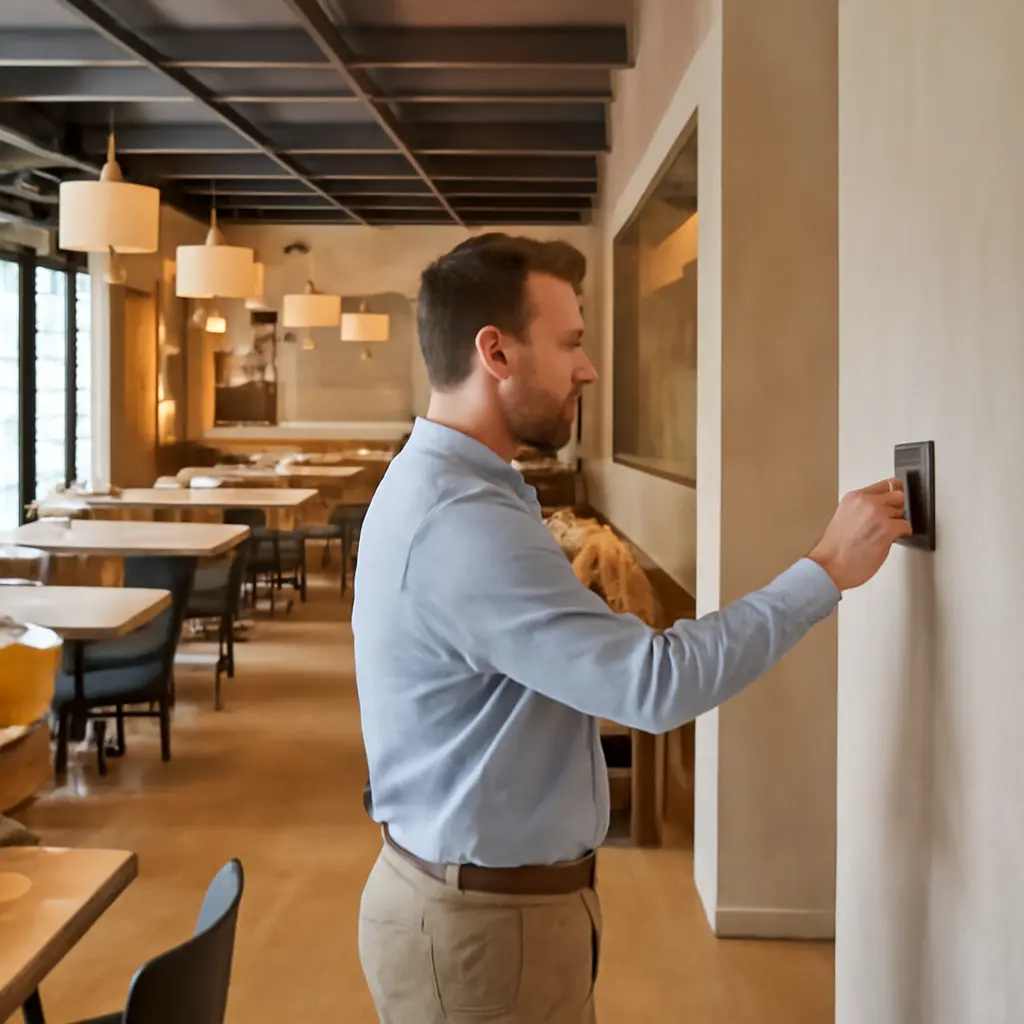
Lighting design mistakes can make a venue feel uncomfortable, confusing, or out of step with its purpose—even when the décor, service, and programming are strong. Venue lighting design is the planned use of light to shape visibility, mood, movement, and visual focus. It works best when it combines layered illumination, appropriate color and intensity, glare control, and flexible controls. Mistakes such as relying on one bright overhead source, ignoring guests’ faces, or failing to adapt light to different activities can undermine atmosphere and usability. The stakes are practical as well as aesthetic: the U.S. Department of Energy reports that lighting accounts for about 17% of electricity use in U.S. commercial buildings, so thoughtful design can support both guest experience and operating efficiency.
How Lighting Design Shapes a Venue’s Atmosphere
Lighting design is the coordination of light’s distribution, intensity, color, direction, and timing to serve a space and the people using it. The Illuminating Engineering Society (IES) develops recommended practices for lighting quality and visual tasks; its guidance treats lighting as more than a brightness choice. A successful venue plan considers what guests need to see, where attention should go, how the space should feel, and how staff can operate it safely.
Atmosphere is created through several connected lighting types: ambient lighting establishes a general level of illumination; task lighting supports activities such as reading a menu or preparing food; accent lighting directs attention to artwork, architecture, or products; and decorative lighting contributes a visible design element. These categories are most effective when coordinated rather than treated as competing systems.
Layered lighting creates depth and flexibility
Layered lighting combines ambient, task, accent, and decorative sources so the room can support different needs without becoming uniformly bright. A restaurant, for example, may use soft ambient light, brighter illumination at the host stand, and focused accents on a feature wall. If every source is switched on at full output, the layers lose their purpose; separate circuits or dimming controls let the venue adjust them for service, events, and cleaning.
Light affects comfort, perception, and energy use
Brightness, contrast, color appearance, and glare influence whether people can comfortably see and how they perceive a space. The DOE’s commercial-building energy data underscores why lighting choices also matter operationally: inefficient fixtures, excessive output, and lights left on unnecessarily can increase energy use. Efficient equipment helps, but efficiency alone does not guarantee an appealing environment; placement, control, and visual comfort still matter.
Common Venue Lighting Mistakes That Undermine Atmosphere
The most damaging mistakes usually come from treating lighting as a final decorative layer instead of part of the venue’s functional design. The following problems can make a room feel harsh, flat, disorienting, or inconsistent with its intended identity.
Relying on a single lighting layer
A single layer—often ceiling fixtures switched fully on—can flatten a room by illuminating every surface similarly. It may also leave work areas poorly lit while overlighting seating or circulation zones. A better approach is to map the venue’s activities and combine ambient light with focused task and accent sources, then provide controls that allow those layers to be adjusted independently.
Using excessive brightness or creating glare
Glare occurs when a light source or reflected image is uncomfortably bright compared with its surroundings. Exposed lamps, poorly aimed spotlights, reflective tabletops, and bright fixtures within a guest’s direct line of sight can all cause discomfort. The IES’s lighting-design principles emphasize visual comfort alongside visibility. To reduce glare, use shielding or diffusers where appropriate, aim accent lights carefully, and assess the view from seated as well as standing positions.
Ignoring facial visibility and vertical illumination
A room can appear bright while faces remain shadowed if most illumination lands on floors and tabletops. Vertical illumination—light reaching walls, faces, and other upright surfaces—helps people recognize one another and makes a space feel more visually balanced. Test the design at guest eye level, including at booths and bar seating, and avoid relying exclusively on downlights that cast strong shadows beneath eyes and brows.
Choosing color temperature without considering the venue
Correlated color temperature (CCT), measured in kelvins, describes whether white light appears warmer or cooler; it does not measure brightness. A mismatch between lamp appearance, materials, and the venue’s intended character can make food, finishes, or skin tones look unappealing. There is no single CCT that suits every venue: compare samples in the actual space, check how they render key materials, and maintain consistency within areas that guests see together.
Overlooking dimming, scenes, and operating controls
A lighting scene is a saved combination of fixture levels and, where supported, color settings for a particular activity. Without accessible controls, a venue may be stuck with the same atmosphere during lunch, dinner, performances, and cleanup. Provide intuitive, labeled controls and commission presets for real operating conditions. Controls should be easy for trained staff to use without requiring technical intervention for routine changes.
How to Design Lighting Around Venue Activities
Once common pitfalls are addressed, the next step is to match lighting to the venue’s program. A dining room, event hall, gallery, and bar have different visual priorities; planning by activity helps the design support both atmosphere and practical tasks.
Restaurants and bars
Dining spaces need a balance between an inviting overall mood and enough light for guests to see menus, food, and one another. Consider separate settings for daytime service, evening dining, private events, and cleaning. Keep light sources out of guests’ direct sightlines where possible, and test the effect on food and table surfaces before finalizing fixtures.
Event and performance venues
Event venues often need rapid changes between arrival, presentations, performances, and socializing. Flexible zones and preprogrammed scenes can help the room transition without requiring every fixture to operate at the same level. Maintain safe, legible circulation and ensure that emergency and exit lighting remains compliant with applicable codes regardless of decorative or theatrical settings.
Retail, galleries, and hospitality interiors
Retail and gallery lighting often uses accents to guide attention, but excessive contrast can make the wider space difficult to navigate. Hospitality interiors must also consider how lighting presents finishes and faces across different seating positions. In each setting, use focal lighting selectively, preserve comfortable background illumination, and evaluate the space from the guest’s point of view.
A Practical Process for Preventing Lighting Design Mistakes
A reliable lighting plan starts with the venue’s activities and constraints rather than a fixture catalogue. It should be reviewed in the real space, with representative furnishings and operating scenes wherever possible.
- List the venue’s activities, operating hours, guest routes, and staff work areas.
- Identify the visual priorities for each zone, including faces, menus, artwork, stages, and service counters.
- Specify ambient, task, accent, and decorative lighting as coordinated layers.
- Review fixture position, shielding, reflections, and glare from seated and standing viewpoints.
- Test lamp color appearance against the venue’s actual materials and finishes.
- Plan dimming zones and operating scenes, and label controls clearly for staff.
- Check energy performance, maintenance access, and relevant building and life-safety requirements.
A simple comparison chart can help during testing: list each zone against its activity, intended mood, lighting layers, control scene, and observed issues. For example, a dining area might be checked at daytime and evening settings, while a performance space is reviewed during audience entry, the show, and intermission. This makes problems easier to identify before they become part of everyday operations.
Conclusion: Make Lighting Serve the Experience
Lighting design shapes how guests see a venue, move through it, and respond to its atmosphere. Layered illumination, glare control, comfortable facial visibility, suitable color appearance, and flexible controls help prevent the mistakes that make a room feel harsh or lifeless. Because lighting also contributes to commercial-building energy use, good design can support operating efficiency as well as guest comfort. Review your venue zone by zone, test lighting in real operating conditions, and involve a qualified lighting professional when the project or compliance requirements call for it.
Sources: U.S. Department of Energy, 2018 Commercial Buildings Energy Consumption Survey (CBECS), https://www.eia.gov/consumption/commercial/; Illuminating Engineering Society, Lighting Library, https://www.ies.org/lighting-library/; Illuminating Engineering Society, The Lighting Handbook, 10th Edition, https://www.ies.org/product/the-lighting-handbook-10th-edition/.