
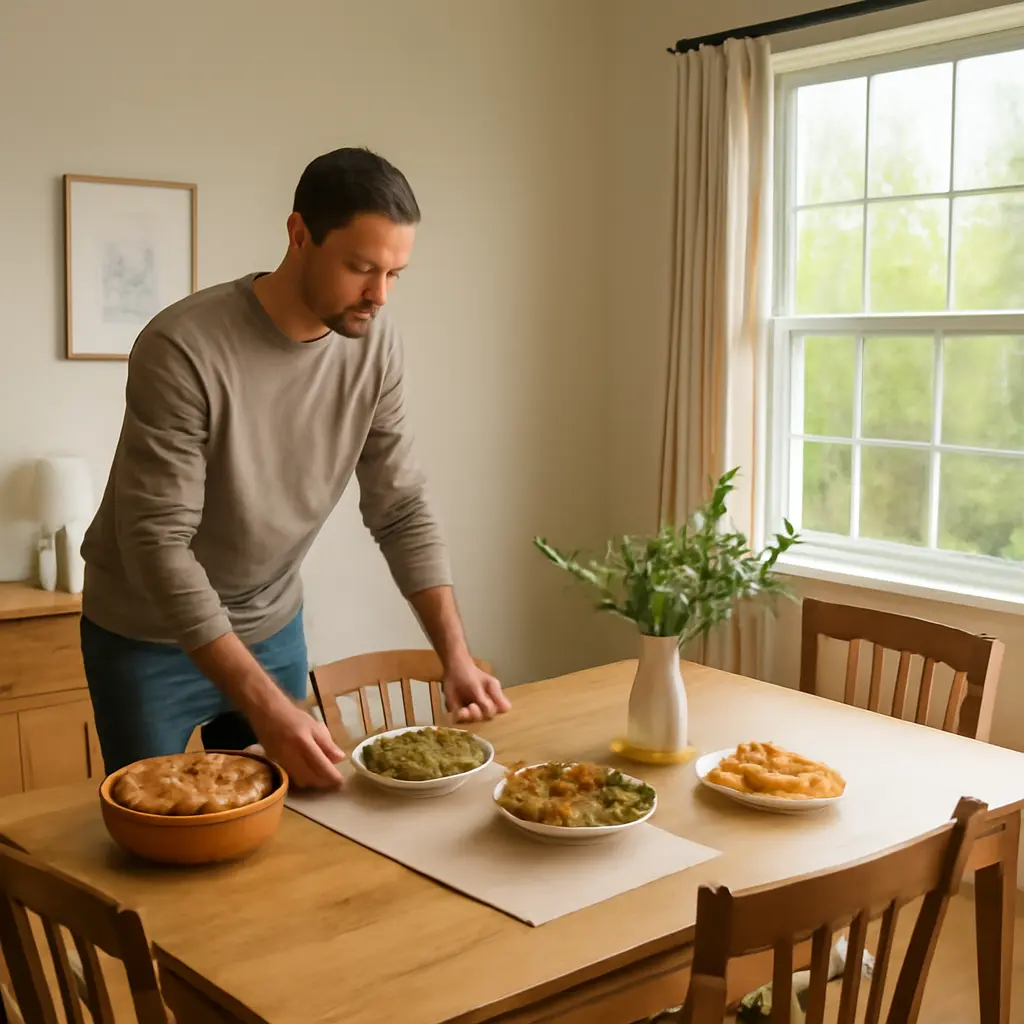
An impressive celebration is a gathering that feels personal, welcoming, and memorable to its guests—not necessarily one with an extravagant price tag. Throwing one on a shoestring budget can work when hosts prioritize what guests notice most: thoughtful planning, shared food, a comfortable atmosphere, and meaningful moments. The U.S. Bureau of Labor Statistics reported that average annual household spending on food away from home was $3,933 in 2023, a reminder that everyday hospitality can carry a substantial cost. A carefully planned celebration can redirect that spending toward a one-day event without relying on expensive venues, elaborate catering, or excessive décor.
How budget-conscious celebration planning creates an impressive event
Budget-conscious celebration planning means allocating limited funds to the parts of an event that create the greatest guest experience while reducing low-impact expenses. It is not simply spending as little as possible. It is a form of value-based planning: set a firm ceiling, identify the event’s purpose, and make deliberate choices about the guest list, food, setting, activities, and presentation.
The main types include at-home gatherings, potlucks, park picnics, community-room parties, and informal celebrations built around a shared activity. Each can feel polished if the host coordinates the details. Event-planning guidance from the U.S. Small Business Administration emphasizes budgeting, estimating costs, and tracking actual spending—principles that translate well to personal events, even though its guidance is written for businesses.
A clear spending plan
A spending plan assigns a maximum amount to the event before purchases begin. Start with the total available, then divide it among essentials such as food and drinks, location, supplies, and a small contingency. A written budget helps prevent small purchases from accumulating unnoticed and makes trade-offs easier: for example, a host might choose a free home venue to afford a special cake or a more generous menu.
The Consumer Financial Protection Bureau recommends tracking income, bills, and spending to understand where money goes. Applied to a celebration, that means recording estimates alongside receipts and updating the total as decisions are made. A simple table can show the plan at a glance:
- Total spending limit
- Estimated and actual cost for each category
- What is essential, optional, or removable
- A reserve for unexpected costs, such as extra ice or serving supplies
A guest list matched to the budget
The guest list is one of the most important budget decisions because attendance affects food, seating, invitations, and venue requirements. A smaller gathering can feel intentional rather than restrictive when it reflects the occasion and gives guests room to connect. Before inviting people, estimate a realistic per-person cost for the planned menu and supplies, then confirm that the total fits the spending limit.
A useful practice is to invite guests early and request a response by a clear date. A reliable head count reduces overbuying and helps the host plan portions. For larger events, consider an open-house format, where guests arrive within a time window, rather than providing a full seated meal for everyone at once.
How affordable food and drink make a celebration feel generous
Food-and-drink planning is the process of choosing a menu that is satisfying, manageable, and appropriate to the event. Affordable menus often rely on a few well-prepared dishes rather than a large assortment. A potluck is one option, but a host can also provide a simple main dish and invite guests to bring dessert or drinks, with contributions coordinated so that the menu remains balanced.
A focused, seasonal menu
A focused menu uses overlapping ingredients and avoids unnecessary variety. Pasta, rice dishes, soups, baked potatoes, tacos, and casseroles can serve groups economically, while seasonal produce may offer better value when it is abundant. The U.S. Department of Agriculture’s MyPlate guidance encourages meals built from varied food groups, including fruits, vegetables, grains, and protein foods; hosts can use that framework to make a modest menu feel complete.
Compare unit prices, check pantry supplies before shopping, and make a list based on the confirmed guest count. If guests have dietary needs, ask in advance and label dishes clearly. Food safety matters too: the USDA advises keeping perishable foods out of the temperature danger zone, generally 40°F to 140°F, and not leaving them at room temperature for more than two hours—or one hour when temperatures exceed 90°F.
Shared contributions and low-cost refreshments
A potluck divides the menu among guests, while a hosted refreshment table keeps the responsibility with the organizer but limits the offering to a few practical choices. Both approaches can work. The key is to communicate clearly: assign categories for a potluck, or state what will be served so guests know whether the event includes a meal.
Water infused with citrus or herbs, homemade iced tea, and a self-serve drink station can provide a festive presentation at modest cost. Reusable pitchers and serving containers also reduce the need for disposable purchases. Avoid assuming that guests can or should contribute; make participation optional and offer a host-provided alternative.
How simple décor and venue choices improve the atmosphere
Venue-and-atmosphere planning combines the physical setting, layout, lighting, and decorative details to make guests feel comfortable. A home, backyard, shared building room, or public park may provide a more affordable setting than a commercial event space. The best choice depends on capacity, accessibility, weather, transport, and any permits or rules—not just the rental price.
A free or low-cost venue
Hosting at home can eliminate a venue fee, while parks and community spaces may offer low-cost alternatives. Check local requirements before booking: some parks require reservations, permits, or restrictions on amplified sound, alcohol, decorations, or cooking. Also consider hidden costs such as transportation, cleaning, tables, chairs, and weather backup.
A practical layout can make a modest space feel more welcoming. Create clear zones for food, seating, conversation, and activities, and leave accessible routes through the room. If the gathering is outdoors, provide shade or a rain plan and make the location easy to find.
Reusable, borrowed, and focal-point décor
Decorating economically means using a few coordinated details instead of covering every surface. A clean tablecloth, flowers from a garden or grocery store, framed photographs, string lights, or a handmade sign can establish a theme without costly rentals. Borrowing serving trays, chairs, and decorations from friends or family can reduce purchases further.
Choose one focal point, such as a decorated dessert table or photo backdrop, and keep the rest simple. This concentrates effort where guests are likely to notice it and can make photographs feel cohesive. Reusable décor is also useful for future occasions, lowering the cost of later celebrations.
How meaningful activities create memorable celebrations
Activity planning is the selection of shared experiences that give a gathering energy and purpose. Activities do not need professional equipment or paid entertainment. Conversation prompts, a playlist, party games, a photo-sharing station, or a short toast can help guests participate and give the event a personal character.
Guest-centered entertainment
Guest-centered entertainment reflects the age, interests, and comfort of the people attending. A playlist prepared in advance, a trivia game about the guest of honor, or a simple craft can be more engaging than expensive entertainment that does not suit the group. Keep participation optional so guests can socialize at their own pace.
For children’s celebrations, rotate a few low-cost activities rather than buying many one-use toys. For adults, conversation cards, a shared playlist, or a themed photo corner can provide structure without dominating the gathering. The host’s role is to make participation easy, not to fill every minute.
Personal details and shared memories
Personal details connect the gathering to its purpose. A short toast, a memory jar, a slideshow assembled from guests’ photos, or a table display of meaningful objects can create emotional impact at little cost. These gestures work because they are specific to the people being celebrated rather than dependent on expensive production.
A simple example is a birthday open house hosted at home: the host serves one main dish and a homemade dessert, asks a few friends to bring optional sides, uses borrowed chairs, and invites guests to contribute a favorite memory. The event can feel generous and distinctive while keeping expenses predictable. The practical lesson is to invest in a coherent experience, not a long list of purchases.
How to keep a shoestring celebration on track
Expense control is the ongoing process of comparing decisions with the original budget and making adjustments before costs exceed the limit. It includes planning early, checking what is already available, and resisting last-minute upgrades that do not add meaningful value.
A practical planning sequence
- Set a firm total budget and decide what the celebration is meant to accomplish.
- Choose the guest count and a venue that fits both the budget and the group.
- Plan food and drinks around the head count, dietary needs, and available equipment.
- Borrow or reuse supplies, then buy only what is missing.
- Select one or two activities and a small number of decorative focal points.
- Track actual spending and keep a reserve for unexpected needs.
Common budget traps to avoid
Common traps include paying for a venue before checking free alternatives, overestimating food quantities, buying decorations that serve only one purpose, and adding upgrades simply because they are customary. Hidden charges can also change the real price of a venue or service, so ask about deposits, cleaning fees, delivery, setup, and cancellation terms before committing.
A shoestring budget should not mean compromising safety, accessibility, or hospitality. Provide clear directions, enough seating for guests who need it, safe food handling, and a weather contingency when appropriate. These practical details often matter more to guests than elaborate décor.
Conclusion: an impressive celebration is about intention, not expense
Budget-conscious celebration planning works by aligning the guest list, food, venue, atmosphere, and activities with a clear spending limit. A focused menu can feel generous, a free or low-cost venue can be welcoming, and personal details can make the event memorable. Tracking expenses and avoiding low-impact purchases help protect the budget without diminishing the experience.
Start with the amount you can comfortably spend, choose the parts of the celebration that matter most, and build the rest around them. For further planning, consult consumer budgeting guidance from the Consumer Financial Protection Bureau, event-cost planning advice from the U.S. Small Business Administration, and food-safety recommendations from the USDA.
Sources: U.S. Bureau of Labor Statistics, Consumer Expenditures—2023, https://www.bls.gov/news.release/cesan.nr0.htm; U.S. Small Business Administration, Plan your business finances, https://www.sba.gov/business-guide/manage-your-business/manage-your-finances; Consumer Financial Protection Bureau, Your Money, Your Goals: A financial empowerment toolkit, https://www.consumerfinance.gov/consumer-tools/educator-tools/your-money-your-goals/; U.S. Department of Agriculture, MyPlate, https://www.myplate.gov/; U.S. Department of Agriculture, Food Safety and Inspection Service, Keep Food Safe! Food Safety Basics, https://www.fsis.usda.gov/food-safety/safe-food-handling-and-preparation/food-safety-basics/keep-food-safe-food-safety-basics.